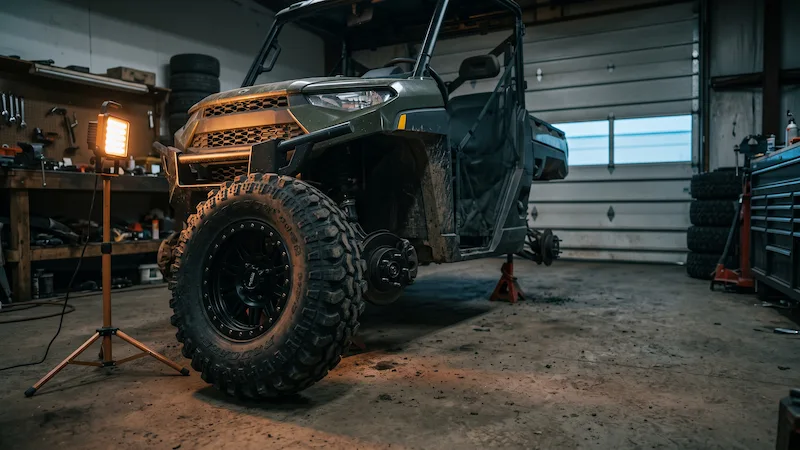
A set of 33s looks like a two hour job and maybe a bit of fender trimming. Most of what the bigger tire costs turns up later, in belt heat, in a clutch that never quite recovers, in a wheel bearing that used to last three seasons. Cheaper to know the real bill before you order than to meet it on the trail in July.
Diameter Is Gearing
Going from a 30 inch tire to a 33 is a ten percent taller final drive. The engine has not changed, the clutch has not changed, and now both are being asked to move the machine as though somebody swapped in taller gears while you were not looking. Low end softens first. Then the belt slips a little longer before it grips, temperature climbs, and on a CVT that is exactly how belts die.
The working rule: up to two inches over stock, most machines cope on a clutch weight change or on nothing at all. Past two inches, plan on a clutch kit and stop hoping. A kit fitted with the tires costs a fraction of a kit fitted after a belt lets go on a hillside with a passenger aboard.
The Speedometer Starts Lying
Speed and odometer readings both come off rolling diameter, so a ten percent taller tire under reads by about ten percent. An indicated 40 is nearer 44, and every service interval on the display arrives late. Do the maths once, write the correction on a piece of tape inside the glovebox, and service by the corrected number.
Weight Is the Part Nobody Weighs
Tire weight counts twice. It is rotating mass, so the engine feels it on every acceleration, and it is unsprung mass, so the suspension fights it on every bump. That combination is why two tires of the same size and different weight are not close to the same purchase.
- Brakes. More rotating mass at a longer lever arm means longer stops with the same pads and the same rotor.
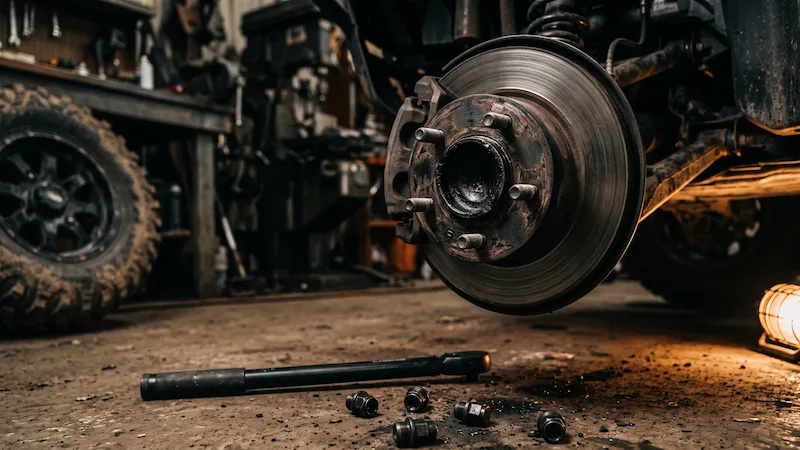
- Bearings and hubs. Weight and a wider footprint load the outer bearing harder, and bearings do not announce that in advance.
- Ball joints and tie rods. A taller sidewall gives every rut more leverage over the steering, and the joints absorb the difference.
- Shocks. More unsprung mass to control usually means a worse ride, even though the taller tire has more sidewall to absorb.
So when two tires both fit and both suit the terrain, take the lighter one. The exception is rock, where the extra casing weight is protection you actually need.
Clearance Is More Than Fender Gap
Static clearance in the driveway tells you very little. What matters is full steering lock and full suspension compression happening together, because that is the moment the tire finds the fender liner, the A-arm, the tie rod end or the frame rail. Have somebody turn the wheel to the stop while the machine is loaded and look with a flashlight.
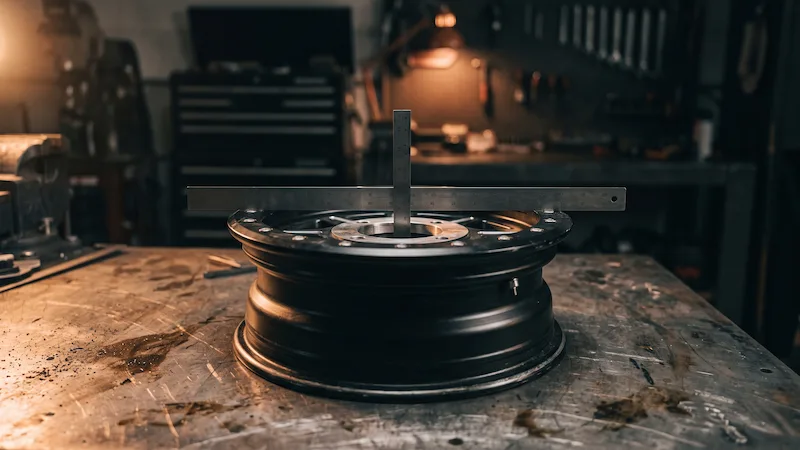
Wheel offset decides which of those you hit. More backspacing tucks the tire inboard toward the A-arm and the frame. Less backspacing pushes it out into the fender, adds steering effort, and puts more load on the wheel bearing. If a bigger tire only fits with a spacer, count the spacer as part of the price and the bearing as part of the maintenance.
What We Stock and What It Asks For
| Size | Machine | What Changes | Clutch Work |
|---|---|---|---|
| 30x10-14 | Stock sport and trail UTVs | Nothing. This is the replacement size. | None |
| 32x10-15 | Most common UTV upgrade | Noticeably softer low end, minor rub at full lock on some fenders | Clutch weights |
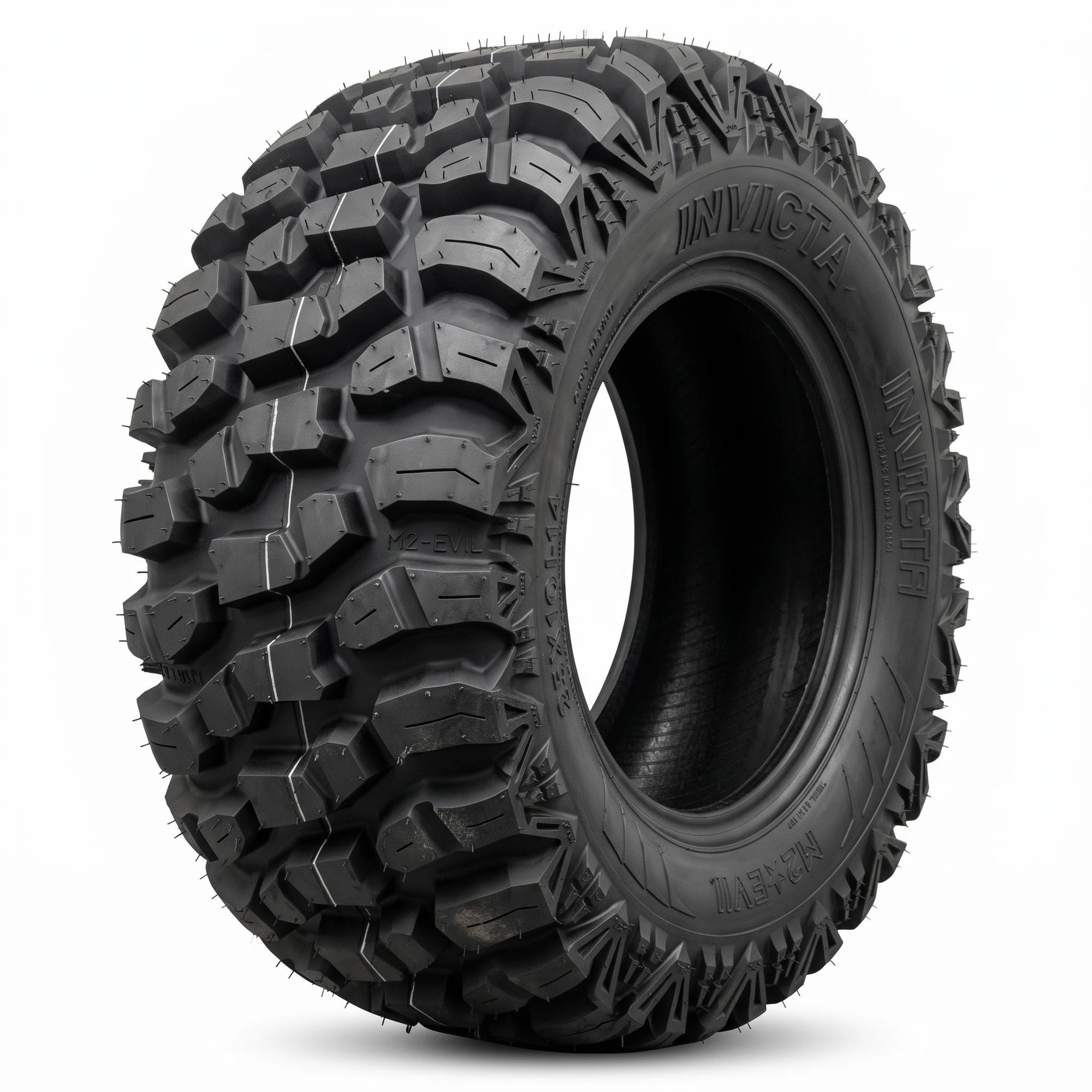
| 33x10-15 | Trail machines built for mud | Fender trim, taller gearing, real belt heat under load | Full clutch kit |
| 35x10-15 | Built machines only | Clearance work, wheel offset changes, driveline load | Clutch kit and gearing |
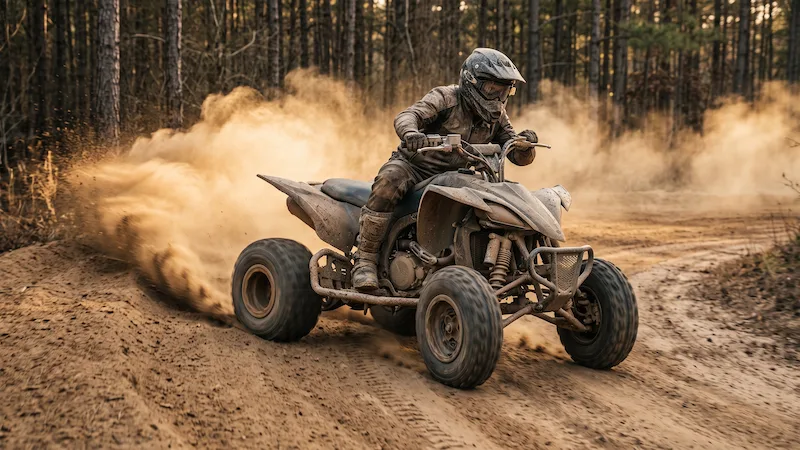
| 25x8-12 to 28x10-14 | ATV and utility quads | Smaller steps, but a quad feels every pound of it in the steering | Usually none |
The tires are the cheap part of a tire upgrade. Riders find that out in July, on the trail, holding a shredded belt.
Adam Miller, Senior Product Specialist
Three Checks Before You Size Up
1. Measure at Lock and Compression at the Same Time
Load the machine the way you ride it, put a helper on the wheel, and cycle the suspension while it turns. Mark anything that touches with chalk. A tire that clears in the driveway and rubs at speed will cut its own sidewall through the season and you will blame the tire.
2. Add Up the Real Bill
Wholesale pricing keeps the tires reasonable. A set of four ALL-TERRAIN at $164 each is $656, and four M2 EVIL at $189 each is $756. On the quad side, four BLACKTAIL at $118 is $472 and four M2 EVIL ATV at $132 is $528. Then add the clutch kit if you are jumping more than two inches, plus trimming, plus an alignment check. Budget the whole number, not the tire number.
3. Decide What the Extra Diameter Is For
If the answer is ruts and logs, diameter genuinely helps and the clutch work is worth it. If the answer is flotation in sand or soft ground, width and pressure do more for you than diameter and cost less. If the honest answer is that it looks right, buy the 32 and keep the belt.
The Case for Staying One Size Down
A machine on the size below runs the clutch it was designed around, keeps its bottom end, brakes in the distance the engineers tested, and eats belts at the rate the manual predicts. It also costs less to shoe every couple of seasons.
Most riders who go up two sizes are solving a clearance problem they hit twice a year. That is a reasonable trade if you know you are making it. It is an expensive surprise if you thought you were only buying tires.